

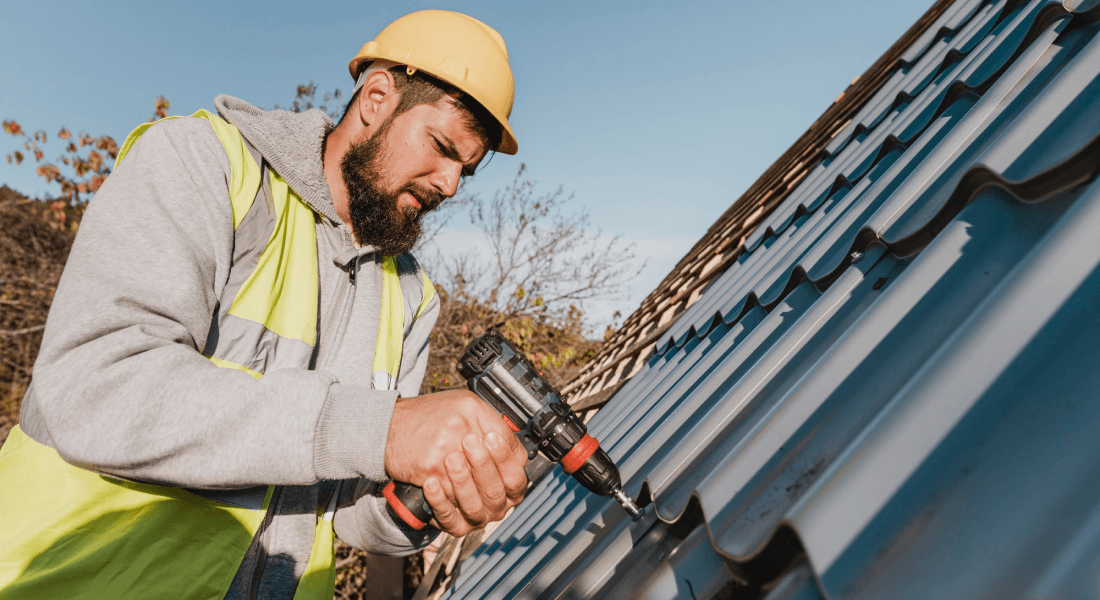
Common Roofing Mistakes to Avoid Now
A roof is one of the most important parts of any building, providing protection from rain, heat, wind, and other weather conditions. However, even a good-quality roofing system can develop problems when it is poorly planned, installed, or maintained. Understanding common roofing mistakes can help homeowners and property owners avoid unnecessary repairs, premature damage, and higher maintenance costs.
One common mistake is choosing a roofing material based only on its appearance or initial price. Different roofing materials have different levels of durability, maintenance requirements, and suitability for local weather conditions. Selecting a material without considering the building structure, climate, and long-term requirements can result in performance issues and additional expenses later.
Ignoring regular roof inspections and maintenance can also lead to serious problems. Small cracks, damaged tiles, loose shingles, blocked gutters, and minor leaks may not appear urgent, but they can become more expensive issues if left unattended. Periodic inspections can help identify these problems early and allow repairs to be completed before significant damage occurs.
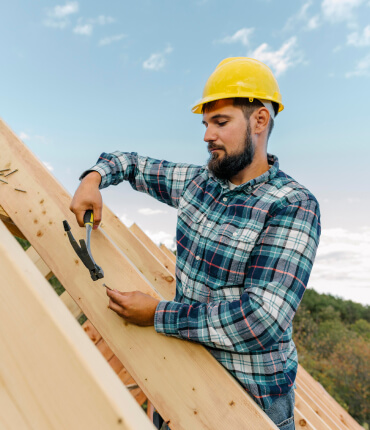
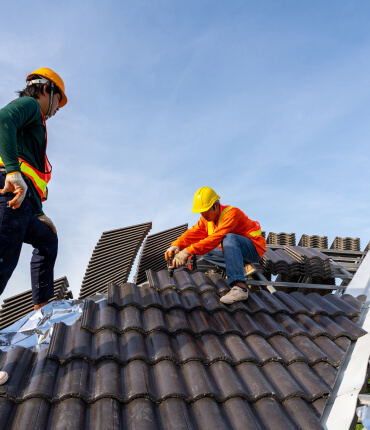
Avoiding common roofing mistakes starts with proper planning, quality materials, professional installation, and regular maintenance. Homeowners and property managers should pay attention to early warning signs such as water stains, damaged roofing materials, unusual moisture, or blocked drainage systems. Taking care of these issues promptly can help extend the life of the roof and maintain reliable protection for the property.